

BANKING BUILT FOR
Small
Businesses
Having the right banking partner matters. Our Small Business team brings deep expertise and personalized guidance to help small business owners realize their dreams.
See Services
“Having the right banking partner turned our dreams into reality.”
PRODUCTS & SERVICES
What We Offer
Our small business specialists provide banking solutions
customized to your business needs.
SBA
Loans
As an SBA Preferred Lender, we offer 504, 7(a) and Express loans designed for your business.
Business Term Loans
Financing for new or used equipment up to $2 million with structured terms.
Owner-Occupied Mortgage
Financing solutions to purchase or refinance commercial property that your business occupies.
Unsecured Line of Credit
Revolving credit up to $25,000 to manage cash flow and short-term business needs.
Working Capital Revolving Line of Credit
A flexible revolving line of credit up to $2 million designed to help you manage cash flow, navigate seasonal needs and seize growth opportunities, streamlined application, and repayment options.
Treasury Services
A full suite of treasury management products and services that helps small businesses maximize the use of cash, reduce costs and create efficiencies.
MEET THE TEAM
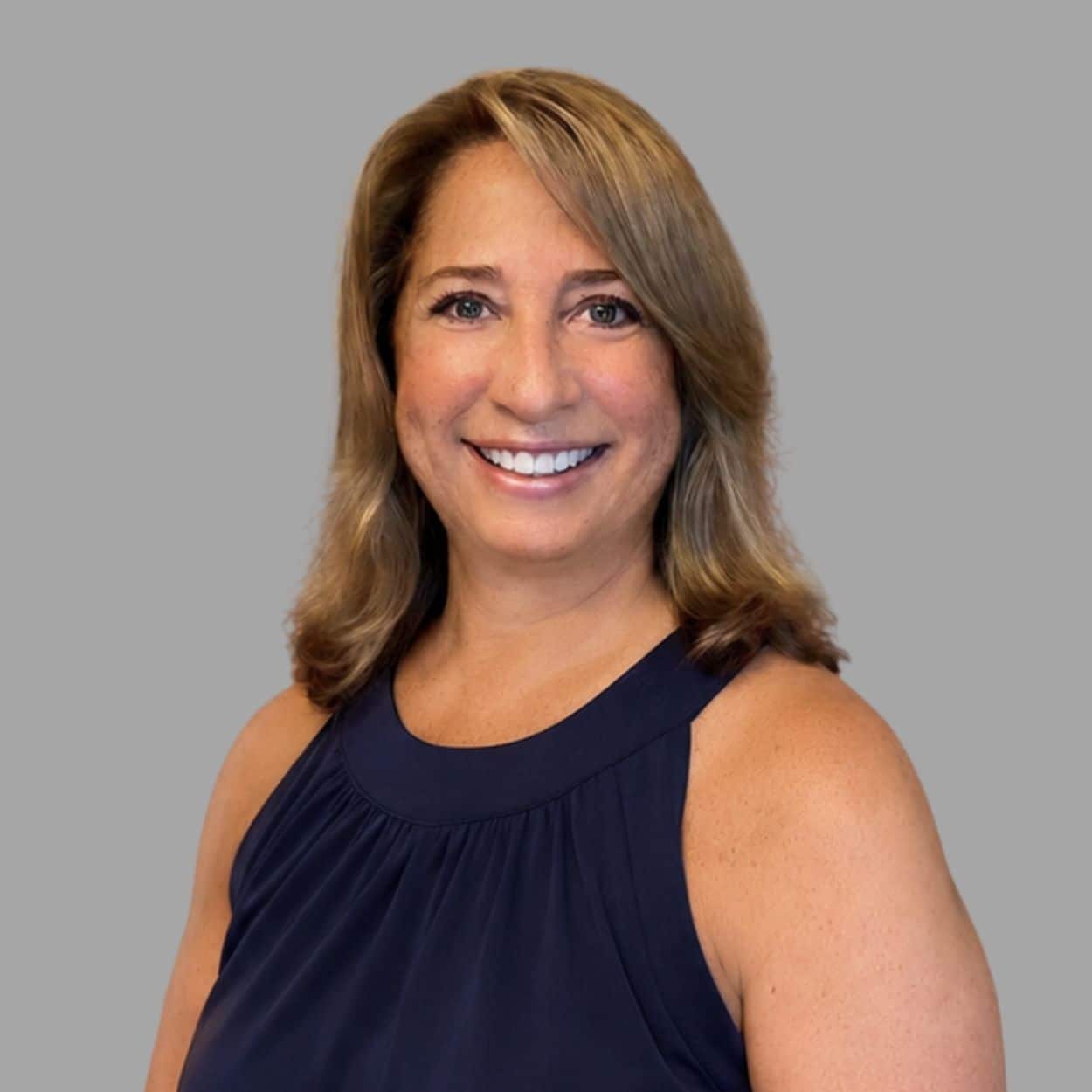
Small Business Experts



Small Business
Frequently Asked Questions
How can I open a small business account with Customers Bank?
The easiest way is to speak with your local banking partner at your nearest Customers Bank branch. You can also apply online.
For a small business account, make sure you have in hand both personal and business details, such as proof of identity, proof of address, your business registration and contact information. We’ll use this to verify your business before approving your account.
What do you need to open a new business account?
Although each case may differ, here are some common requirements:
- Legal business name, entity type (LLC, corporation, sole proprietor with DBA, etc.)
- Employer Identification Number (EIN) or equivalent tax ID for your business
- Business license or incorporation documents as required by your state/locality
- Personal ID of the business owner(s)/authorized signers (driver’s license, etc.)
- Sometimes your business plan and proof of address for the business and for owners
- Funding for the initial deposit
- For non-new businesses: recent tax returns, financial statements and maybe a bank reference
You should gather these documents before beginning.
What types of checking accounts do you offer businesses at Customers Bank?
At Customers Bank, we have a few business checking account options. These options include:
- The general “Business Checking” accounts (unlimited check writing, $0 per check/item charges, online/online-deposit tools)
- Two types of business banking options for “new business” checking
- “Commercial Interest Checking” (no monthly fees, open with $10) for low volumes
- Standard “Small Business Checking” with no monthly fees
- Other treasury products and services are available
To make sure you pick the business account that best suits your business size or volume, we recommend talking with a banker first.
What are the key features common in business checking accounts?
- Unlimited check writing (often)
- $0 per check/deposit/item (in many cases)
- Ability to do online check deposit, mobile/online management
- Some accounts have very low opening deposits (e.g., $10 in New York) for low-volume businesses
- Some checking accounts do not pay interest (they use an “Earnings Credit Allowance” to offset fees) for certain large-volume/business accounts
What types of small business loans are available at Customers Bank?
The main business loan types available at Customers Bank are:
- Term loans: Borrow a lump sum that is repaid over a fixed period, called “the term.”
- Lines of credit: A flexible loan with revolving credit. Borrow up to a limit, repay and borrow again as needed. You only pay interest on the amount used. This loan option is good for cash flow and inventory.
- Loans for equipment: You borrow a loan specifically for purchasing machinery or equipment. For equipment financing, sometimes you can borrow under term loans, sometimes special.
- Commercial real estate loans: CRE loans are for purchasing or refinancing property used for business.
- Government-guaranteed financing (via the Small Business Administration): SBA loans are backed by the U.S. government, including SBA 7(a), SBA 504 and SBA Express.
How do I apply for a small business loan?
Here’s a typical path for applying with Customers Bank:
- Choose your loan type (term, line of credit, SBA, real estate, etc.) based on what you need.
- Engage with a Customers Bank loan officer/business banker. They’ll walk you through the options and the process. You can get in touch to speak with a member of our team.
- Provide documentation such as business financials, tax returns, business plan, credit history, collateral (if required), personal guarantee (often required).
- Underwriting: The Bank reviews factors like your cash flow, collateral (if any), business history and purpose of the loan.
- Approval: The closing and disbursement of funds. For SBA-guaranteed loans, they follow SBA rules plus bank rules.
- Repayment begins per the agreed schedule.
Be aware: All loans are subject to credit approval and normal bank lending criteria.
How do you determine whether your business is qualified for an SBA loan?
To apply for an SBA loan, there are some requirements that businesses must meet. Some factors to consider are:
- Are you a for-profit business, legally operating, filing taxes, located in the U.S., and every owner is a U.S. citizen or lawful permanent resident? These are typical SBA eligibility criteria.
- Have you tried conventional financing and found it hard? SBA programs are often for businesses that “are not eligible for conventional bank financing.”
- Do you have good personal credit and business credit? Many SBA loans require personal guarantees, good owner credit and stable business financials.
- You’ll need collateral, cash flow and supporting documents.
- The size of your loan request and your purpose will matter (working capital, real estate, equipment, etc.). For example, for an SBA 7(a) loan at Customers Bank, the max loan is up to $5 million.
If you want, we can check your specific business profile (industry, revenue, etc.) against SBA-loan eligibility for you.
What’s the difference between an SBA loan versus a conventional small business loan?
Here are the key distinctions:
- An SBA loan is guaranteed (in part) by the Small Business Administration. That means the government helps reduce risk for the lender.
- A conventional business loan is purely from the bank, without government guarantee. The bank takes all the risk (and sets all the terms) itself.
- Because of the guarantee, SBA loans often offer a lower down payment, longer repayment terms and possibly lower interest rates (depending on credit, etc.) compared to some conventional loans.
- However, SBA loans often have stricter eligibility, more paperwork and a longer approval time frame (though preferred lenders mitigate this). Conventional loans may be faster (if your business is well-rated) but with less favorable terms.
- Use cases: SBA loans can be good for business acquisitions, startup costs, equipment, real estate and working capital for small businesses that conventional lenders think are too risky.
What is an SBA Preferred Lender?
- The SBA has a program called the Preferred Lender Program (PLP). This designates certain lenders as “Preferred” because they have a strong track record with SBA loans.
- A preferred lender can make final credit decisions on most SBA loans without requiring direct SBA review for every loan. That speeds up the process.
- Customers Bank is indeed an SBA-preferred lender.
Using a preferred lender is usually beneficial if you want a smoother SBA loan process.
Do you provide personal banking services?
Yes. See our full suite of personal banking services.
What makes Customers Bank different?
Customers Bank was founded in 2009 with one goal in mind: to enable our customers’ prosperity. Founded and built by bank industry veterans, we understand that true innovation is powered by people. We pride ourselves on:
- Customer focus, first and always. Our success is defined by our ability to serve our customers — today and in the future. We invest in new product solutions and industry innovations that translate into a better banking experience for our customers.
- Exceptional service, redefined. Our Single Point of Contact model means that we know our customers by name, deliver personalized service and identify business solutions that address the unique needs of each customer.
- A strong and sustainable model. Customers Bank is one of the nation’s top-performing banking companies. Founded in 2009, today we are among the 80 largest bank holding companies in the U.S. — all powered by organic growth.
Read more about what sets us apart — including our industry-leading Net Promoter Score.